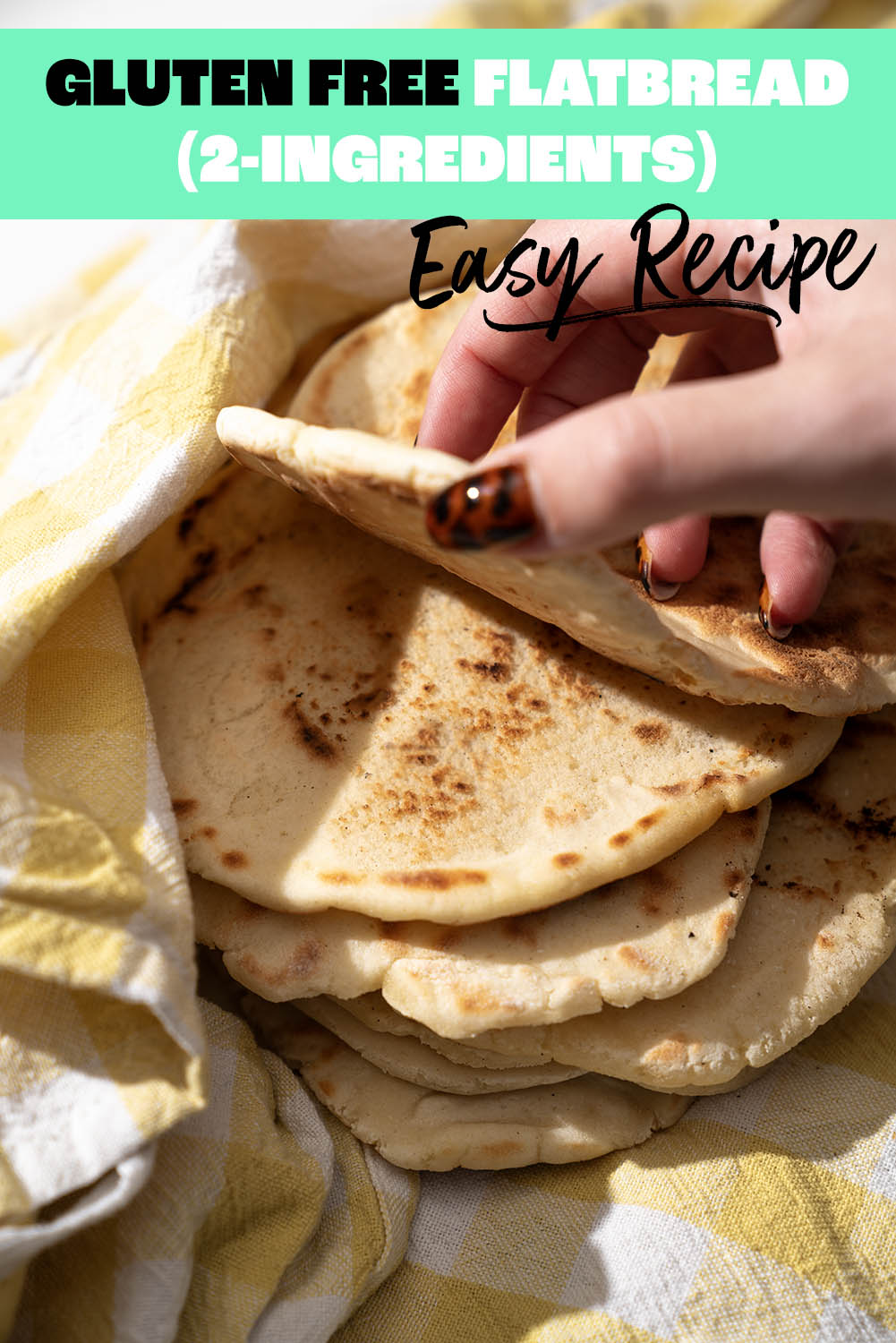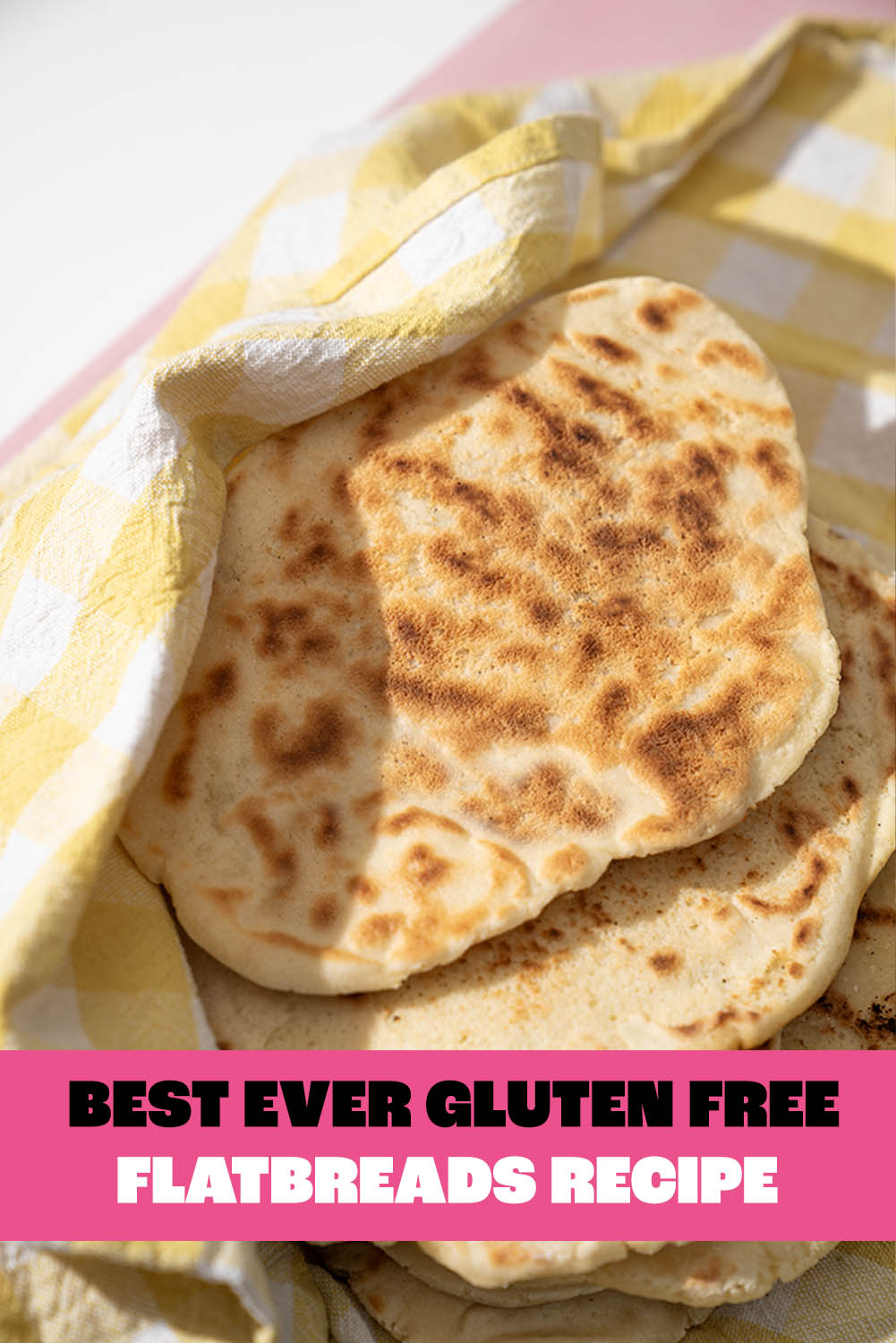

Here’s my 2-ingredient BEST EVER Gluten-free Flatbread recipe! Ready in just 15 minutes, coeliac-friendly and wheat-free, but you’d never know. See the FAQ section on how to make it dairy-free, vegan or in an air fryer too!
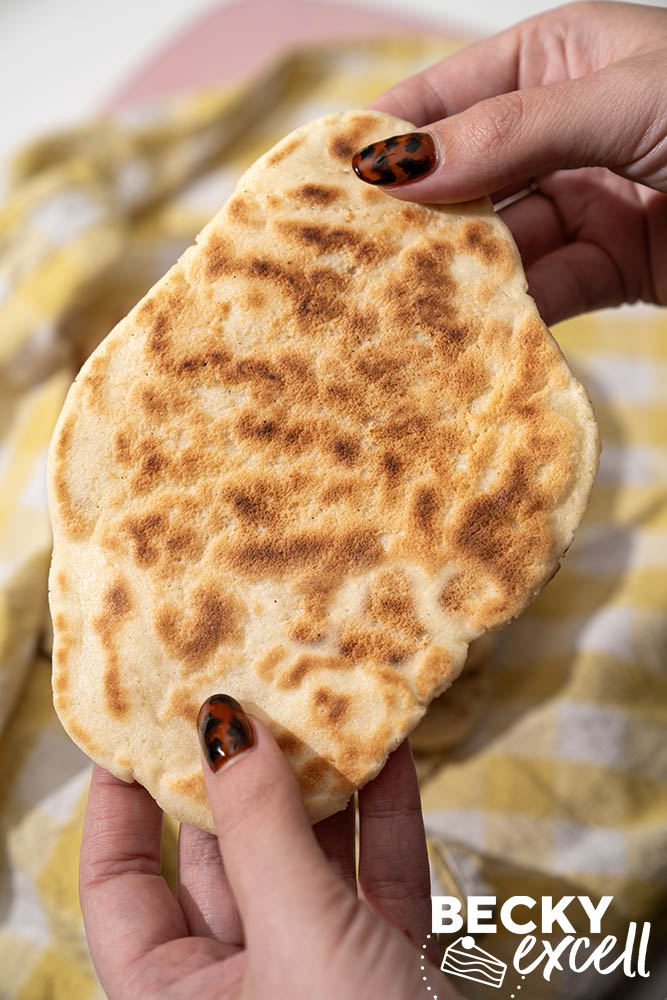
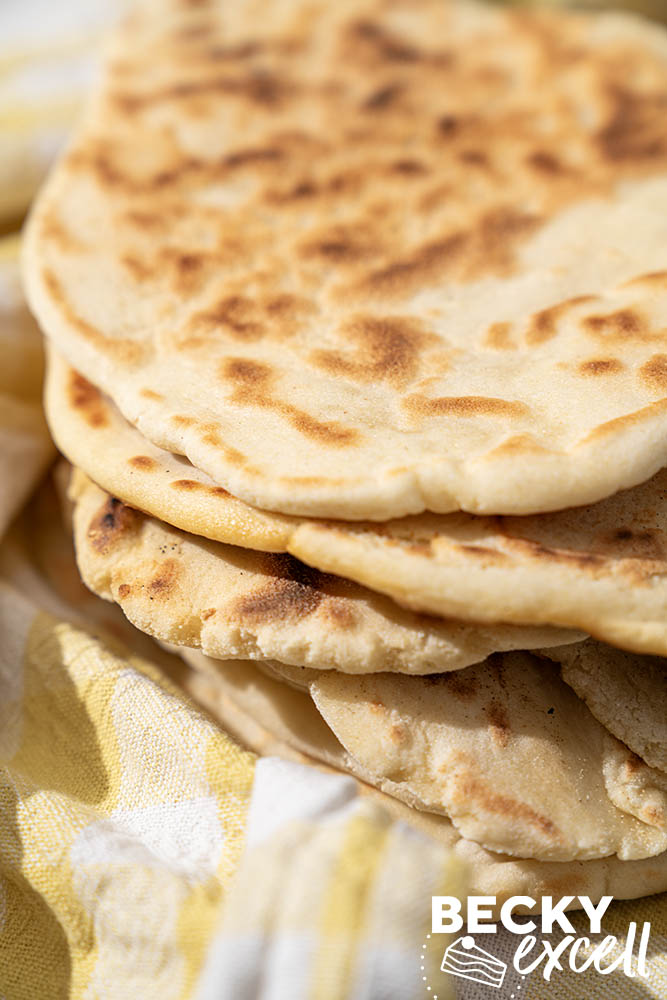
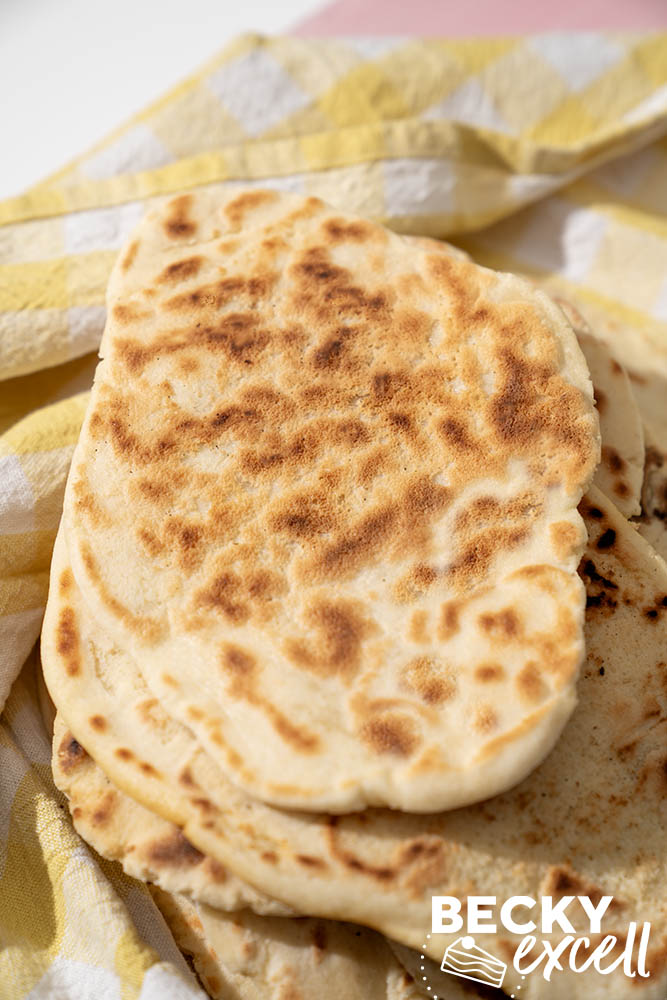
My gluten-free flatbreads are soft, flexible and covered in lovely golden-brown patches, perfect for scooping up a curry or dunking into dips. You can also make four larger ones for gyro-style wraps! You only need two ingredients, there’s no yeast or proving involved and you don’t even need to switch the oven on. Basically, if you’ve ever wished making gluten-free bread could be a little less of a mission, this one’s for you!
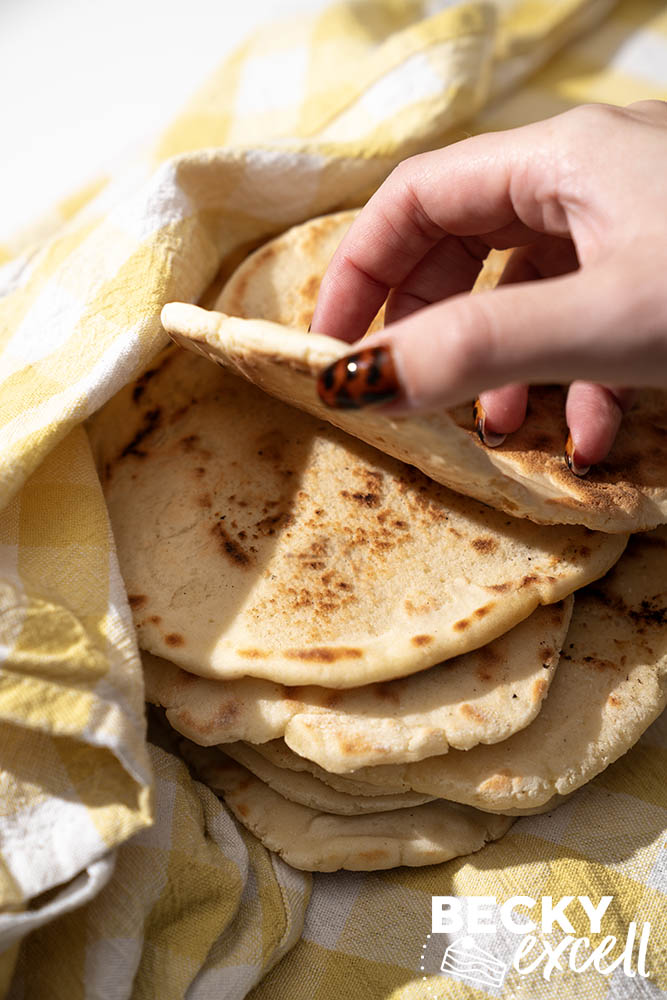
Welcome back to the fourth instalment of ‘How To Make Bake Off Gluten-free’ starring my flatbreads for episode 4! However, unlike the ones on this week’s Bake Off, I will absolutely not be putting roasted grapes and/or blue cheese in mine 😂 Hope that’s fine by you!
There’s something very reassuring about knowing you can turn a bag of gluten-free flour, a pot of yoghurt and some water into eight freshly cooked flatbreads in 15 minutes (speed definitely comes with practice!). Especially when you’ve already started making dinner and suddenly realise there’s absolutely no bread to go with it. Please tell me that’s not just me!
And whilst gluten-free bread making can sometimes involve a lengthy ingredients list and a fair bit of waiting around, there’s nothing scarily complicated going on here. Simply mix, bring together, roll and cook in a hot frying pan. No stand mixer, bread machine or specialist bread flour required.
The dough uses 0% fat Greek yoghurt and water, which means you don’t need a huge pot of yoghurt to make a decent batch. It keeps things budget-friendly and gives the flatbreads a tearable, breadier texture, whilst still keeping them lovely and soft. Yes, fat-free Greek yoghurt works here, so there’s no need to buy a full-fat pot especially.
They’re just as useful alongside a bowl of soup or a plate of hummus as they are with a curry. If you’re planning a gyro-style lunch, divide the dough into four instead of eight to give yourself more room for fillings. They’re flexible when warm, but think a gentle fold around your kebab rather than a tightly rolled tortilla!
Oh, and they’re freezable too, so you can put a few aside for another day. I’ve included my tips for keeping them soft, the exact flour I use and answers to all those little dough-related questions below. Here’s everything you need to know…
Why you’ll love my Gluten-free Flatbreads
- Just two ingredients and 15 minutes (once you get the hang of it!). Gluten-free self-raising flour and yoghurt do the hard work here. Cook two flatbreads side by side in one large frying pan and you can have a whole stack ready whilst the rest of dinner comes together.
- They’re soft and flexible. Lovely for scooping up sauces and dips, or make four larger flatbreads for a gently folded gyro-style wrap. Keep them warm and covered for the best flexibility.
- No yeast, proving or oven required. There’s no waiting for dough to rise and no need to plan hours ahead. A bowl, rolling pin, non-stick baking paper and a large frying pan are all you need to get going.
- They’re easy to make dairy-free and vegan too. Swap the 0% fat Greek yoghurt for a thick dairy-free yoghurt. I’ve used Koko plain dairy-free yoghurt and they worked perfectly, so there’s no need for anyone to miss out.
Ingredients for my Gluten-free Flatbreads
For the flatbread dough, you’ll need gluten-free self-raising flour and 0% fat Greek yoghurt, along with water and optional salt. That’s your entire shopping list sorted!
I use Doves Farm FREEE gluten-free self-raising white flour. It’s a blended flour, which is what you want here, rather than a single flour such as rice flour, coconut flour or ground almonds.
The self-raising flour already contains raising agents to give the flatbreads a little lift as they cook. It also contains xanthan gum, so there’s no need to add any extra separately. That’s how the ingredients list can be kept so short.
For the yoghurt, I use 0% fat Greek yoghurt, so you can get lovely soft flatbreads without needing full-fat yoghurt. Full-fat Greek yoghurt or thick natural yoghurt work too, with slightly different results that I explain in the FAQs below. Give your yoghurt a good stir before weighing it out. You want it plain and unsweetened rather than flavoured. Save the strawberry yoghurt for breakfast!
The water brings everything together without needing to use yoghurt for all the liquid. Measure it out rather than adding it by eye, as getting the dough consistency right makes rolling and cooking much easier.
The salt is optional, but adds a little savoury flavour, particularly if you’re serving the flatbreads plain. You don’t need oil for the dough or the pan.
You’ll also need a little extra gluten-free flour for dusting your work surface, non-stick baking paper and rolling pin. A light dusting is plenty; we’re trying to stop sticking, rather than work lots more flour into the dough.
How to make my Gluten-free Flatbreads
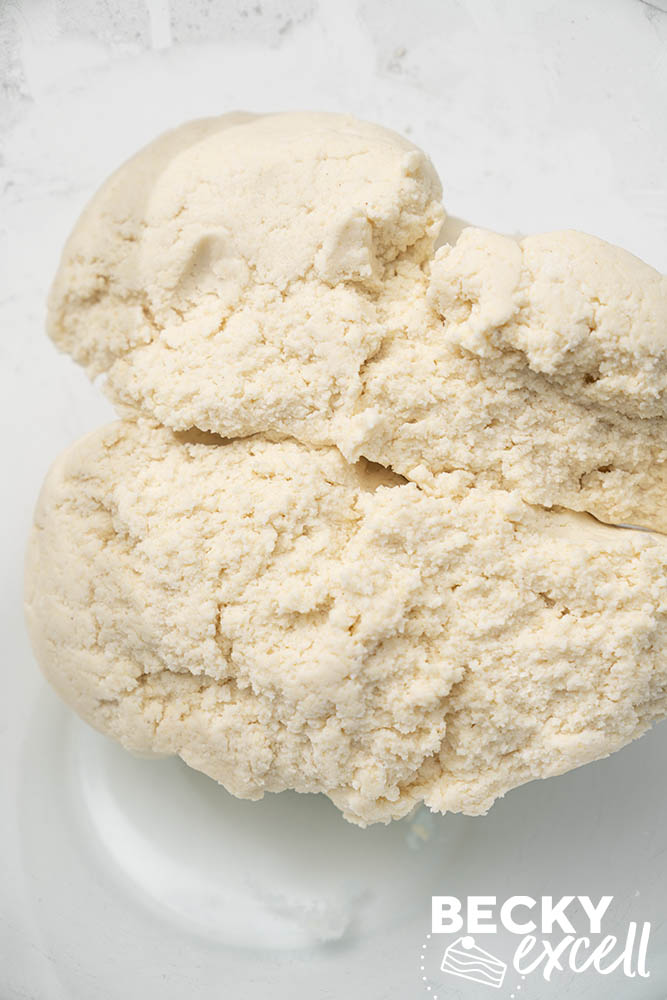
- Mix the gluten-free self-raising flour, 0% fat Greek yoghurt, water and optional salt in a large bowl. Start with a spatula and mix thoroughly, checking there aren’t any hidden clumps of yoghurt-coated flour. Once it resembles separate lumps of dough, bring it together with your hands, then simply keep squeezing it together until smooth, combined and no longer sticky.
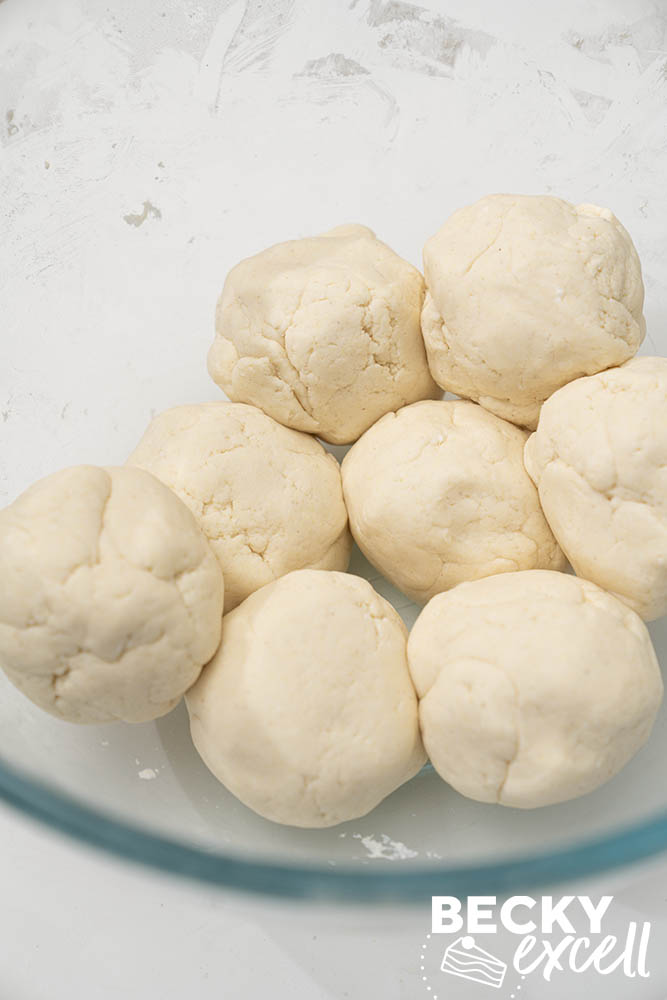
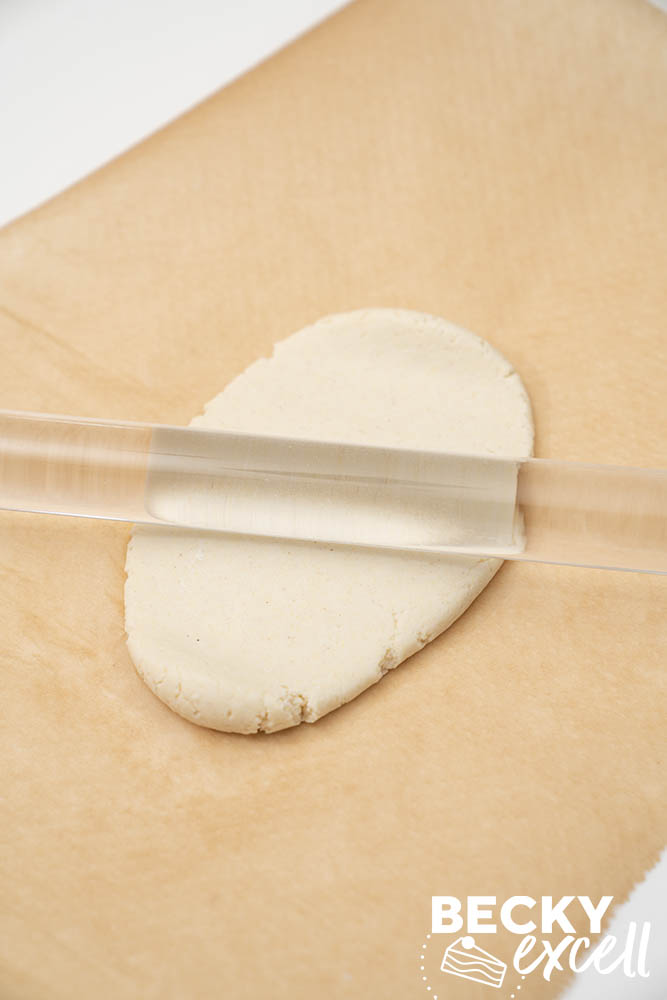
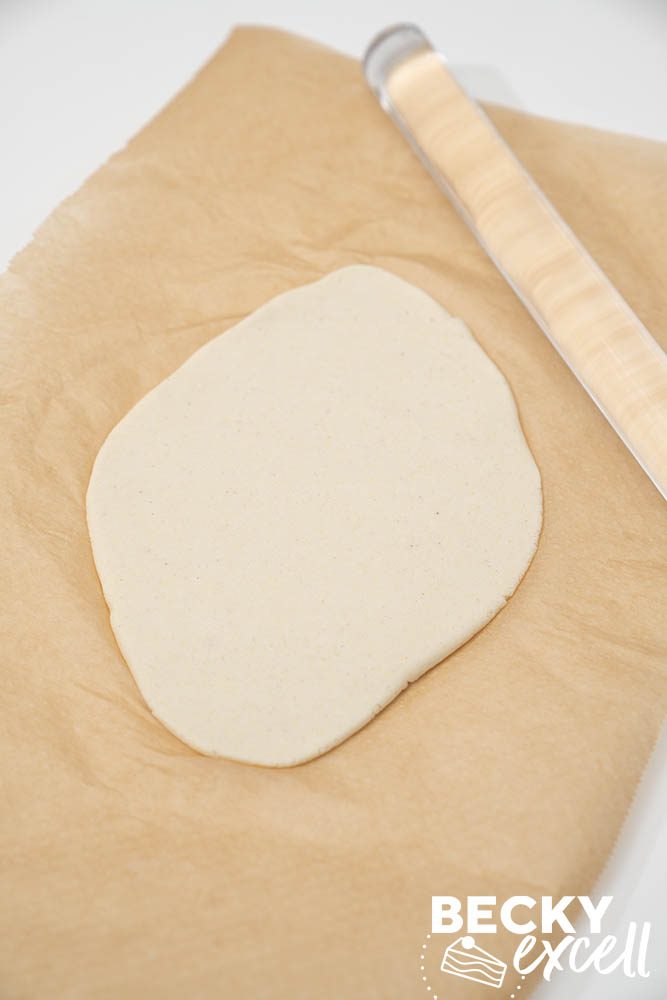
- Transfer to a lightly floured surface and divide into eight equal portions (mine were 100g each). Roll each into a ball and place on a lightly floured sheet of non-stick baking paper, then use a lightly floured rolling pin to make ovals or rounds approximately 15cm across and 3mm thick.
- Heat a large non-stick frying pan (big enough to fit two flatbreads side by side) over a medium-high heat. There’s no need for oil. Using a large pan to cook two at once and rolling the remaining dough whilst the first flatbreads cook is how you get the whole batch ready in 15 minutes.
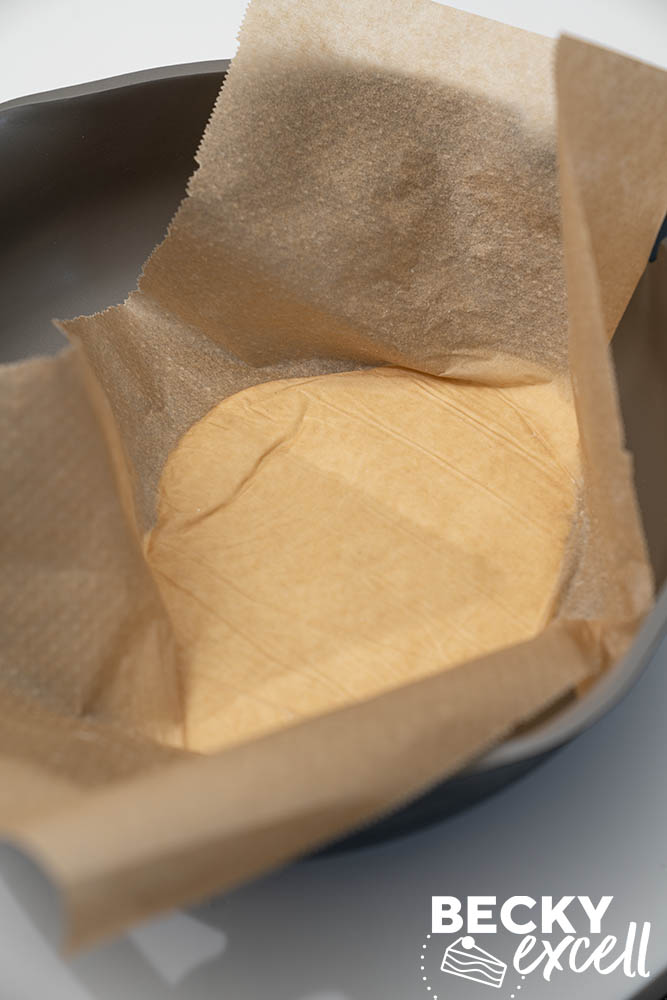
- Use the baking paper to lift each rolled flatbread, carefully invert it into the hot pan and peel away the paper. Cook two flatbreads side by side, without overlapping, for 1 minute on the first side, until golden-brown patches develop underneath and the surfaces start to puff up slightly. Flip and cook for another ½ minute, until golden on both sides and cooked through. Adjust the heat if they’re colouring too quickly.
- Stack the cooked flatbreads on a plate and cover with a clean tea towel whilst you finish the rest. This traps a little steam and keeps them soft and flexible. Serve warm with your favourite curry, dips or fillings. It’s that simple!
A few tips before you start
Make sure you use gluten-free self-raising flour. Plain flour isn’t a straight swap here, as it doesn’t contain the raising agents this recipe needs.
Give the yoghurt a good stir before using it, then mix the dough thoroughly. Those little pockets of yoghurt-coated flour can hide in the bowl, so check everything is properly combined before deciding whether the dough needs adjusting.
Once the dough looks like separate lumps, squeeze it together until smooth, rather than kneading it like a wheat bread dough. You’re bringing everything together into a smooth ball, not spending ten minutes developing gluten. Once it’s combined and no longer sticky, you’re ready to divide it up.
Roll each flatbread on lightly floured non-stick baking paper to an even thickness of around 3mm. Use the paper to lift and invert it into the pan, then peel the paper away. If the middle is much thicker than the edges, it can take longer to cook through whilst the thin bits become crisp.
Make sure your pan is hot before adding the first flatbreads. You want those golden-brown patches to develop within the short cooking time, rather than leaving the dough sitting in a lukewarm pan. A medium-high heat is perfect.
Keep an eye on the heat as you work through the batch too. If the later flatbreads are browning much faster than the first ones, turn it down a little. The outside shouldn’t be burning before the middle has cooked.
Most importantly, stack and cover each flatbread as soon as it comes out of the pan. That clean tea towel isn’t just there to keep dinner warm! Trapping a little steam helps keep the breads soft enough to flex and fold.
Storage and leftovers
These gluten-free flatbreads are best served warm, when they’re at their softest and most flexible. Keep the stack covered with a clean tea towel whilst you finish cooking or bring everything to the table.
If you’re putting some aside for another meal, allow them to cool completely before packing them away. For longer storage, freezing is a handy option and means you can take out just what you need.
Freeze in an airtight container or freezer bag for up to 2-3 months, with baking paper between each flatbread. This stops them sticking together in one enormous frozen stack!
Reheat straight from frozen in a frying pan or air fryer until warmed through, turning as needed. Keep an eye on them so you’re warming the bread rather than making the outside crisp.
Once warm, cover with a clean tea towel until you’re ready to serve. Add any fillings afterwards, whether you’ve made eight smaller flatbreads for curry night and dipping or four larger ones for gyro-style wraps.
Recipe tips, swaps and FAQs
Is this recipe gluten-free? Is it suitable for people with coeliac disease?
Yes! This recipe is completely gluten-free and suitable for people with coeliac disease, provided all the ingredients you use are gluten-free too.
As always, check ingredient labels and any may contain warnings, and take care to avoid cross-contamination when preparing and cooking them. Remember to use gluten-free flour for dusting the work surface and rolling pin too.
If you’re cooking for someone with coeliac disease, you can find Coeliac UK’s advice on avoiding cross-contamination here.
Can I make this dairy-free?
Yes! Use a thick dairy-free yoghurt instead of the 0% fat Greek yoghurt. I’ve used Koko dairy-free plain yoghurt for this recipe in the past with identical results.
Choose a plain, unsweetened yoghurt. If yours is a little thinner, add a little extra flour as needed to bring the dough to the right consistency.
Can I make this vegan or egg-free?
This recipe is naturally egg-free, so there’s nothing to replace on that front.
To make it vegan, simply follow the dairy-free advice above and use a thick plant-based yoghurt, such as Koko. There’s no butter, milk or honey in the dough either.
Can I make this lactose-free?
Yes! Simply use lactose-free Greek yoghurt instead of regular Greek yoghurt. Everything else in the recipe can stay the same.
Is this gluten-free flatbread recipe low FODMAP?
To make these low FODMAP, use lactose-free Greek yoghurt and ensure your gluten-free flour blend is low FODMAP too. That’s it!
Which gluten-free flour is best for flatbreads?
I use Doves Farm FREEE gluten-free self-raising white flour. That’s the flour to choose if you’d like to follow the recipe using the same blend as me.
Gluten-free flour blends vary, so another brand may absorb the liquid a little differently. A single flour such as coconut flour or almond flour isn’t a like-for-like replacement for this blend.
Can I use gluten-free plain flour instead of self-raising?
Not as a straight swap. The gluten-free self-raising flour I use contains raising agents and xanthan gum, which help the flatbreads rise slightly and hold together.
If you’re using 440g gluten-free plain flour, I’d suggest adding 6½ level tsp gluten-free baking powder and ½ tsp xanthan gum. Mix these thoroughly into the flour before adding the yoghurt and water. If your flour blend already contains xanthan gum, leave out the extra.
I use Doves Farm FREEE gluten-free self-raising flour for this recipe. The plain flour quantities are an adaptation rather than the version I’ve tested, so self-raising is my first choice for recreating the flatbreads pictured.
Can I make these flatbreads without any xanthan gum?
I wouldn’t recommend leaving it out entirely. The Doves Farm FREEE gluten-free self-raising flour I use already contains xanthan gum, so although you don’t add it separately, it’s still doing a useful job in the dough.
It helps bind the dough together and supports the flatbreads’ flexibility, which matters when you’re rolling them out, transferring them to the pan and gently folding them once cooked.
I haven’t tested this recipe with a flour blend containing no xanthan gum and without adding any, so I can’t promise the same results. For the soft, flexible flatbreads pictured, I’d stick with the specified flour or follow the plain flour adaptation above.
Which yoghurt should I use for gluten-free flatbreads?
I use plain 0% fat Greek yoghurt. Full-fat Greek yoghurt or thick natural yoghurt also work, but choose a plain, unsweetened variety. Give it a good stir before weighing, particularly if a little liquid has separated on top.
A thinner yoghurt can make the dough stickier, so add a little more flour if needed. Keep any adjustments small: you want a dough that’s easy to handle, rather than a dry ball that’s difficult to roll out.
And no, it doesn’t make the finished result taste like yoghurt at all – you’d never know it was even in them!
Should I use 0% fat yoghurt or full-fat yoghurt?
Both work! I used 0% fat Greek yoghurt for this recipe, so you certainly don’t need full-fat yoghurt to make these flatbreads.
In my experience, 0% fat yoghurt colours a tad less and gives a more bready texture. Full-fat yoghurt colours well and gives the finished flatbread more of a fluffy chew. Neither is wrong; it’s just a slightly different finish!
Whichever you choose, make sure it’s thick and plain. Fat-free doesn’t necessarily mean runny, and the consistency of the yoghurt matters when you’re bringing the dough together. If yours is thinner, add a little extra flour as needed.
If you’re using 0% yoghurt, don’t keep cooking just to chase a darker colour. Check that the middle is cooked through and use the pan-temperature tips below, so you don’t dry out a perfectly good flatbread.
How do I know when my flatbreads are cooked?
Look for golden-brown patches on both sides, with a little puffing as the flatbread cooks. Allow 1 minute on the first side and another ½ minute on the second in a properly heated pan, and the middle should be cooked through rather than wet or pasty.
The photo below shows what happens when the pan temperature isn’t quite right. Getting the heat right makes a big difference to the finish!
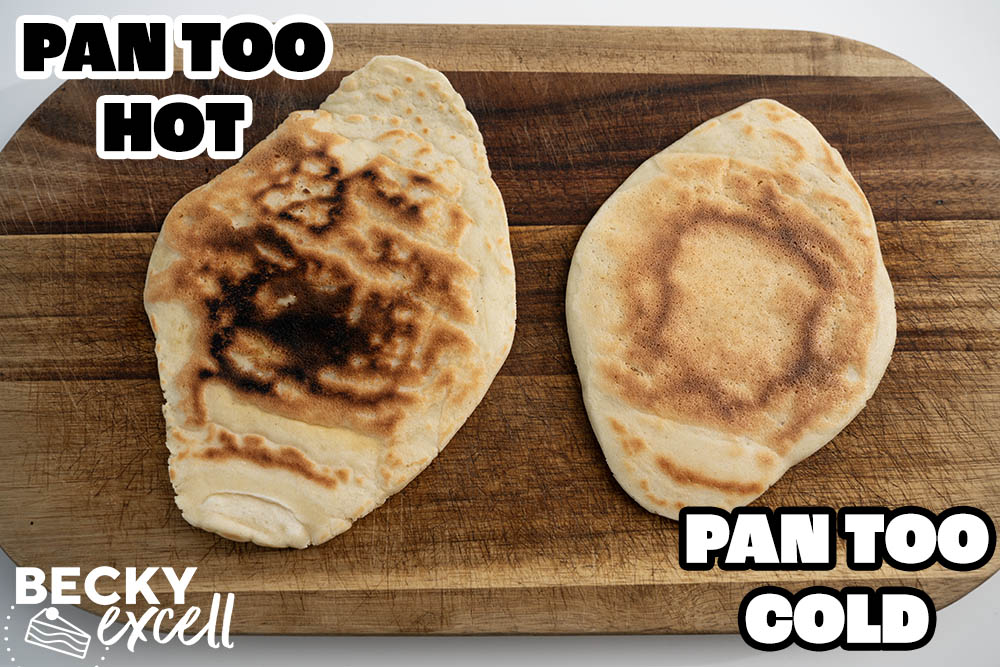
On the left: the pan was too hot. The flatbread burnt in just 30 seconds, leaving blackened patches before the middle had a chance to cook properly. If yours is doing this, turn the heat down and give the pan a moment to cool a little before adding the next one.
On the right: the pan was too cool. It sort of slow-cooks the flatbread, leaving a broad brown ring rather than those lovely little golden-brown patches. It’s not the ideal look, but it’s perfectly fine to eat once cooked through, so don’t throw it away! Turn the heat up a little for the next one.
Aim for a hot pan that gives the dough time to cook through without scorching. And remember, 0% yoghurt colours a tad less than full-fat, so a slightly lighter flatbread doesn’t automatically mean your pan is too cool.
Why is my gluten-free flatbread dough sticky?
First, make sure you’ve mixed thoroughly and squeezed the dough together into a ball. It starts off slightly sticky, but should become smooth, combined and no longer sticky before you roll it out.
If it remains too sticky, your yoghurt may be thinner or your flour blend may absorb less liquid. Add a little flour at a time, and lightly dust the rolling pin and non-stick baking paper. There’s no need to bury the dough in flour, especially as loose flour is more likely to burn in the pan!
Why does my flatbread dough crack when I roll it out?
Cracking around the edges can mean the dough is a little too dry, especially if you’ve added lots of flour whilst mixing or rolling, though a little cracking is normal. You can just tidy them up by hand.
If the dough is excessively dry and cracked at the edges, simply work in a tiny splash of water, then bring the dough back together before rolling again. Keep the baking paper lightly floured and use it to lift and invert the rolled flatbreads into the pan, peeling the paper away before cooking.
Why are my gluten-free flatbreads hard instead of soft?
They may have been rolled too thinly, cooked for too long or left uncovered after cooking. Extra flour worked into the dough can also leave you with a drier result.
Aim for around 3mm thick, keep the cooking time short and stack them beneath a clean tea towel immediately. For crispier flatbreads, do the opposite: roll a little thinner and leave uncovered.
Can I use these gluten-free flatbreads as wraps?
You can, but I’d divide the dough into four instead of eight if you’re making gyro-style wraps. The eight smaller flatbreads are great for dipping and serving alongside a meal, but realistically they’re a little too small to wrap much inside!
Roll the four larger portions into circles on lightly floured non-stick baking paper, keeping them roughly the same 3mm thickness, and use a pan large enough to fit them. Serve warm and keep covered until you’re ready to fill them for the best flexibility.
They’re flexible, but you can’t fold them like a piece of paper! Think a gentle fold around a modest amount of kebab filling, grilled vegetables or hummus, rather than a tightly rolled burrito with the ends tucked in. Leave yourself plenty of room and don’t overfill them.
Do I need yeast or to leave the dough to rise?
No! These are yeast-free flatbreads with no proving time. Once the dough is mixed, squeezed together until smooth and divided, you can roll it out and start cooking.
The self-raising flour provides the lift, so there’s no need to wait for the dough to double in size. That’s what makes them so useful for a last-minute side dish.
Can I cook these gluten-free flatbreads in an air fryer?
Yes – you can adapt the air fryer method I used for the naan recipe in ‘Gluten-free Air Fryer‘. Preheat your air fryer to 200°C and roll out the flatbreads as usual, placing each on its own piece of lightly floured, non-stick baking paper. Trim the paper so there’s no more than 1cm around the edge, then lightly brush the dough with oil.
Cook as many as comfortably fit in a single layer, starting with around 5 minutes, flipping halfway. When you flip them, remove the paper and lightly brush the other side with oil. Check they’re cooked through, allowing a little longer if needed as air fryers vary.
Stack and cover with a clean tea towel straight after cooking to help keep them soft. This timing is based on my similar naan recipe, so keep an eye on your first batch to find the sweet spot for these flatbreads in your air fryer!
Can I make these gluten-free flatbreads ahead of time?
Yes! Cook the flatbreads, allow them to cool completely, then freeze with baking paper between them as described above. It’s a useful way to have homemade gluten-free bread ready for another meal.
Reheat from frozen in a frying pan or air fryer until warmed through, then keep covered until serving.
2-Ingredient Gluten-Free Flatbreads
Ingredients
- 440 g gluten-free self-raising flour see FAQ section
- 200 g 0% Greek yoghurt full-fat or a thick natural yoghurt works too
- 160 ml water
- 1 tsp salt optional
Instructions
- In a large mixing bowl, add the flour, Greek yoghurt (give it a good stir before using), water and salt, if using. Mix thoroughly using a spatula to ensure there are no hidden clumps of yoghurt-coated flour.
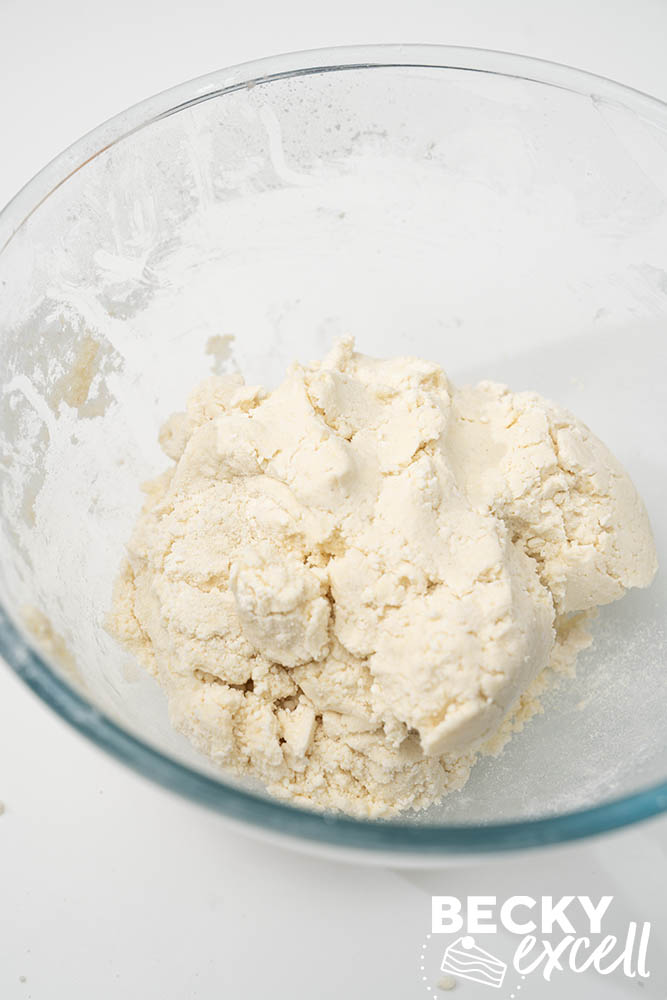
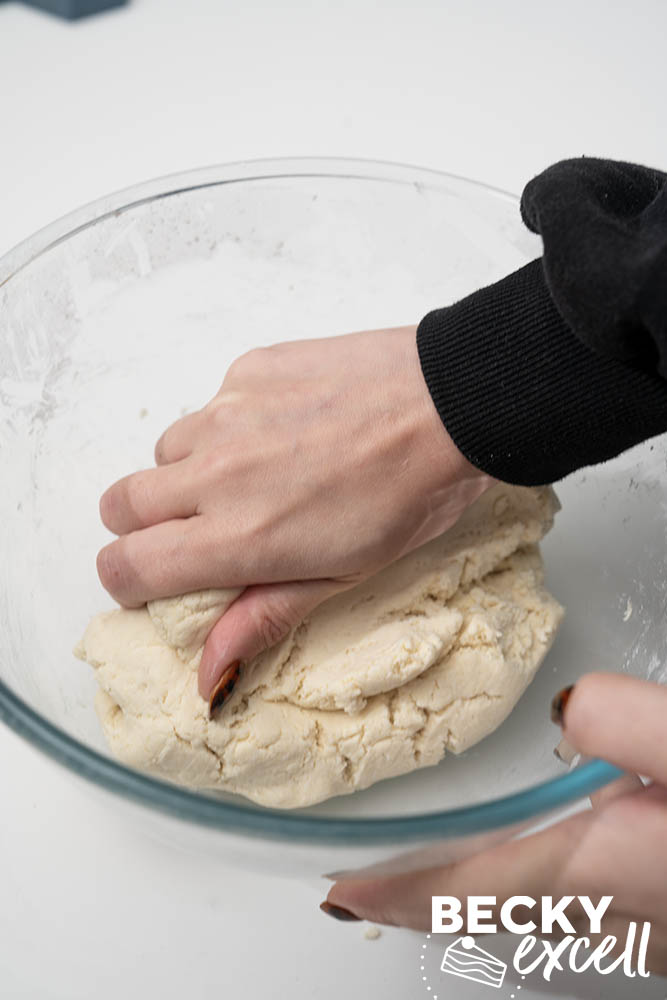
- As it starts to come together into separate dough lumps/crumbs, use your hands to squeeze it together into a ball until smooth, combined and no longer sticky.
- Transfer the dough to a lightly floured surface and divide into 8 equal portions. Roll each portion into a ball, then transfer to a lightly floured sheet of non-stick baking paper.
- Lightly flour a rolling pin and roll out each ball into an oval or round flatbread, approximately 15cm across and 3mm thick. Reflour the rolling pin as necessary to prevent sticking, but go very easy on the flour throughout as excess will burn in the pan.
- Place a large non-stick frying pan over a medium-high heat and allow it to become properly hot. There’s no need to add any oil. To make all 8 flatbreads in 15 minutes, ensure two flatbreads fit side by side and roll out the remaining dough while the first flatbreads cook.
- Use the baking paper to lift each flatbread, carefully invert it into the hot pan and peel away the paper. Cook two flatbreads side by side, without overlapping, for 1 minute, until the undersides have developed golden-brown patches and the surfaces start to puff up slightly.
- Flip both flatbreads and cook for another ½ minute, until golden on both sides and cooked through. Adjust the heat as necessary to prevent the outside from browning too quickly.
- Transfer to a plate and cover with a clean tea towel while you cook the remaining flatbreads. Keeping them covered helps trap a little steam, ensuring they remain soft and flexible.
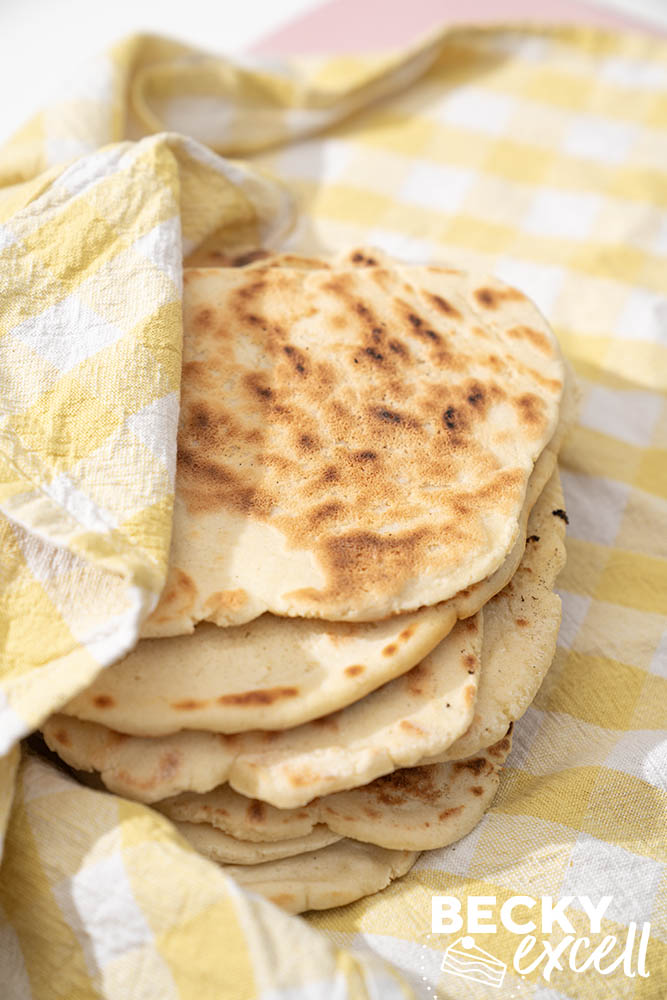
- Serve warm with your favourite curry, dips or fillings.
Nutrition